Yogic Breathing & Techniques: Part 1
Laurie Tenzer | FEB 26, 2024
breath
Yogic Breathing & Techniques: Part 1
Laurie Tenzer | FEB 26, 2024
Breath is the essence of life. Inhalations and exhalation sustain us. Most times, we never notice the breath as we go about our busy days. But it is always there to keep us going... both our unnoticed breaths and our noticed ones.
The act of breathing is an autonomic, involuntary, one. That is, when we inhale and exhale, we don't have to think about it. It just happens. And yet, when we do think about the breath we realize we can actually voluntarily control our breathing. If you've ever had an x-ray and the tech tells you to hold your breath, you are controlling your breath for those few seconds. Another way we commonly control the breath is when we want to control our emotion in a situation. Take a deep breath and counting to 10. This type of breathing helps us to settle and cool our feelings of the moment.
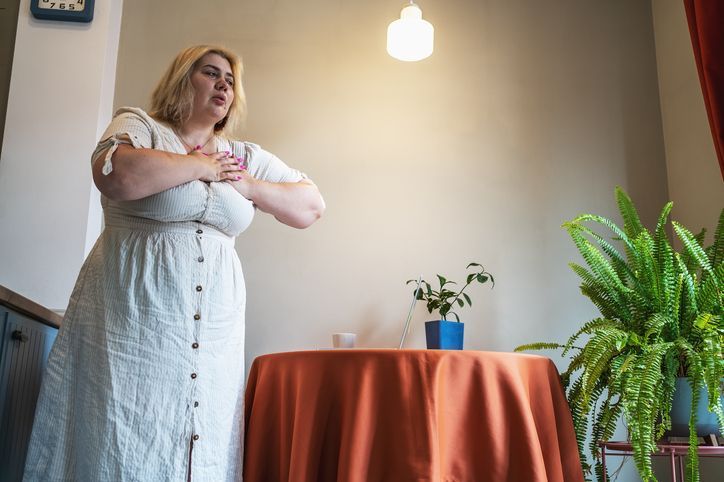
In yoga, there are several breath practices that help you to be better in touch with your mind/emotions and body. Some of these breath practices are used to cool the body, while others are used to center ourselves and still others build lung capacity. Controlled breath can be considered a physical activity, so be sure to check with your doctor before trying any of these.
The benefits of controlling the breath on occasion are many. The breath can take you to a place of calmness and ease. Controlled breath serves as a conduit to meditation. It can connect the mind and the body. Controlling the breath can strengthen the diaphragm muscles and allow the lungs to expand their capacity. Some breathing yoga practices you can do on your own, while others, you should practice with a trained yoga instructor. Below are a couple of practices you can do on your own. I share with you below a couple of breathing practices that you can do on your own. Caveat: Do not do these while driving or using heavy machinery as you may get too calm and relaxed.
Three-Part (dirgha) Breath
Many times we start or end yoga class with three-part breath. Three-part breath cannot only nourish your lung capacity and diaphragm but can improve focus, and strengthen your core muscles. (Ahish, n.d.)
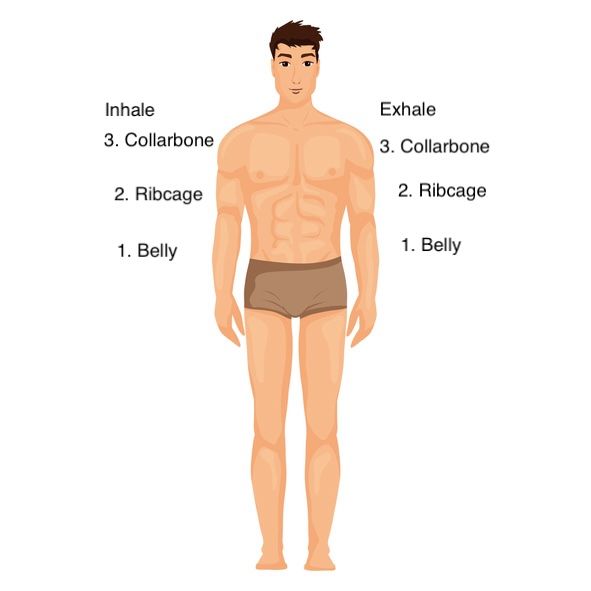
Start with placing your hands on your belly or one hand on the belly and one on the chest.
This type of breathing takes some practice, since it asks us to breathe a lot deeper and at a different rhythm than we would normally.
Box or Square Breath
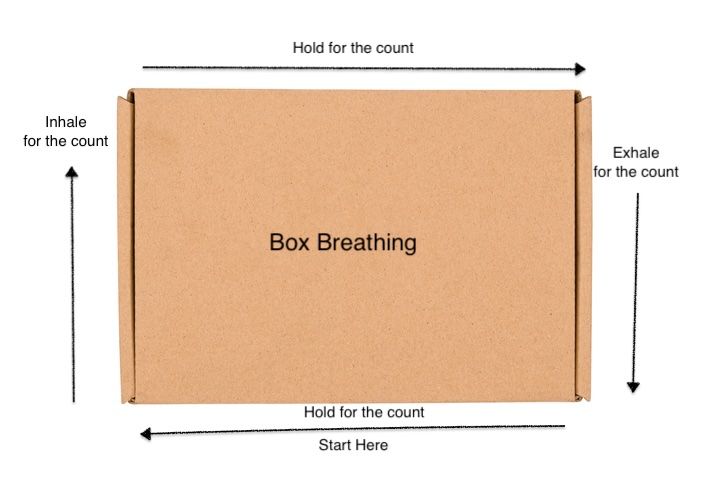
Box breathing is used by professional athletes, Navy SEALS, beginner and experienced yogis. Studies have found that box breathing can help to bodily ills by bringing calmness to your being. Box breathing reduces stress levels and thereby adding another ingredient to fighting inflammation. (Goldman, 2023).
Here I give an example of box breathing using the number 4, but you can pick your own number. One that is most comfortable for you.
Before you begin, notice your natural breath for a couple of cycles.
Repeat
Box breath calms the nervous system and helps us to focus the mind. Using a number helps to keep the mind focused and build focus and concentration.
References and Other Resources
Goldman, H. (2023). Easy ways to keep inflammation in check. Harvard Health Letter.
Ahshish (n.d.) The Way of Yogic Breathing: How to Breathe Correctly During Yoga
Laurie Tenzer | FEB 26, 2024
Share this blog post

 OfferingTree